


Disclaimer: This blog is for informational and educational purposes only, intended for healthcare professionals and organizations. It does not constitute medical or professional advice. Full disclaimer here.
Using Paramedics in Retirement Homes: Key Insights
Overview
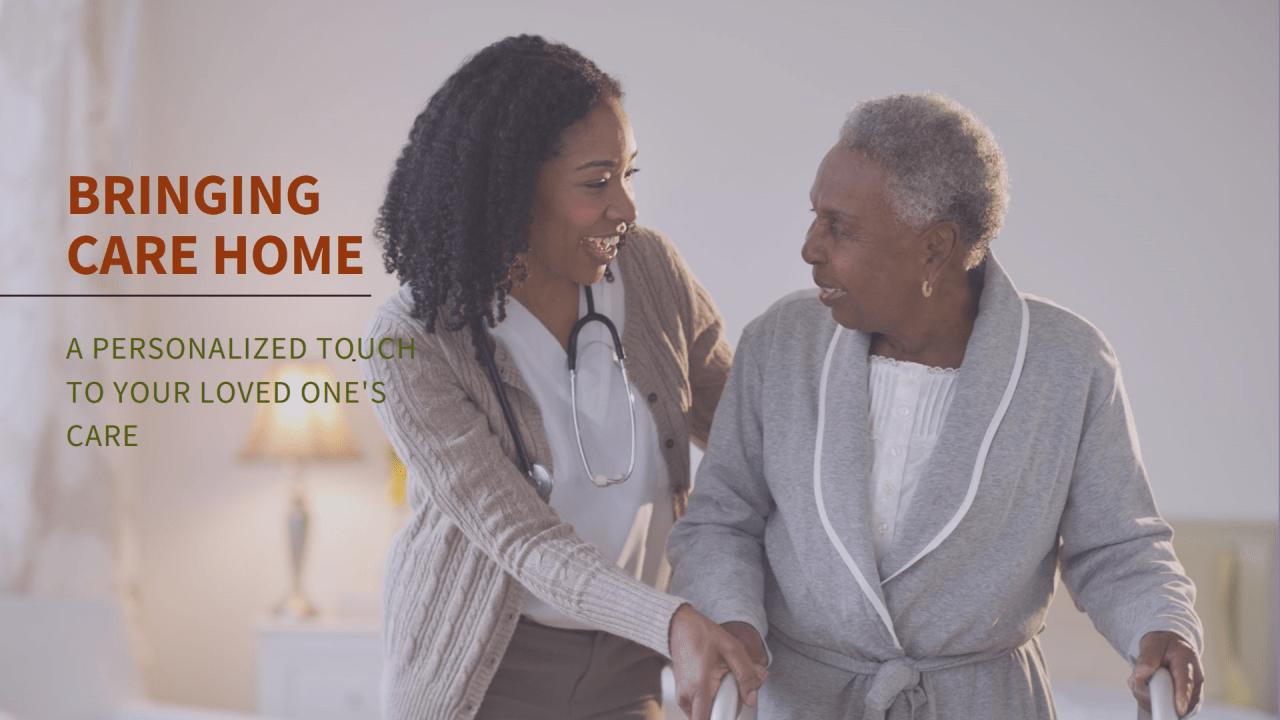
The integration of paramedics into retirement homes and primary care teams is an innovative approach to improve care for elderly residents at home. Programs like Community Paramedicine and Extended Care Paramedics aim to reduce hospitalizations, enhance chronic disease management, and deliver urgent care on-site. There is a huge potential for us in Ottawa to pursue this further…
Key Applications
- Urgent and Preventive Care: Paramedics address minor injuries, acute illnesses, and manage chronic disease exacerbations, reducing emergency department (ED) visits【1】【2】.
- Palliative Care: Provide symptom management and facilitate dignified end-of-life care on-site【3】【4】.
- Interdisciplinary Collaboration: Paramedics complement nurses and physicians, filling care gaps during off-hours【5】【6】.
Evidence of Impact
- Reduced Hospitalization Rates: Programs in Canada and Australia report fewer ED transfers, with 24-48% reductions in hospital visits【2】【7】.
- Cost Savings: On-site care minimizes the financial burden on healthcare systems【8】【9】.
- Improved Satisfaction: Residents and families appreciate timely care without stressful hospital trips【5】【9】.
Challenges
- Training Needs: Additional geriatric care training is essential【10】.
- Regulatory Barriers: Varying scopes of practice may limit paramedics’ roles【6】【11】.
- Funding: Sustained financial support is critical for program success【9】【12】.
Successful Models
- Ontario’s Community Paramedicine Program: Effective in managing chronic conditions and preventing hospital transfers【1】【2】.
- Australia’s Extended Care Paramedics (ECP): Handle non-critical cases in aged care, reducing strain on EDs【6】【7】.
- UK’s Urgent Community Response Teams: Provide urgent care within two hours to prevent avoidable hospitalizations【12】.
Take-Home Messages
- Impact: Paramedics in retirement homes significantly enhance care quality, reduce hospitalizations, and cut costs【1】【2】【7】.
- Scalability: Programs require proper training, clear regulatory frameworks, and sustainable funding to succeed【9】【10】【11】.
- Future Research: Focus on long-term outcomes and best practices for integrating paramedics into eldercare【3】【12】.
Key References
- Bigham et al. (2013). Prehospital Emergency Care. 17(3):361-372.
- Agarwal et al. (2019). CMAJ. 191(11):E295-E305.
- Widiatmoko et al. (2008). Journal of Palliative Medicine. 11(8):1091-1100.
- Jensen et al. (2014). BMC Health Services Research. 14:6.
- Mason et al. (2007). BMJ. 335(7616):919.
- O’Meara et al. (2012). Rural and Remote Health. 12:1978.
- Ruest et al. (2012). Healthcare Policy. 7(4):e55-e68.
- NHS England. (2021). Urgent Community Response Teams: A Practical Guide.
- Pemberton & Emerson (2020). Educational Gerontology. 46(6):319-329.
- Tavares & Bowles (2021). International Paramedic Practice. 11(2):45-52.

