


Disclaimer: This blog is for informational and educational purposes only, intended for healthcare professionals and organizations. It does not constitute medical or professional advice. Full disclaimer here.
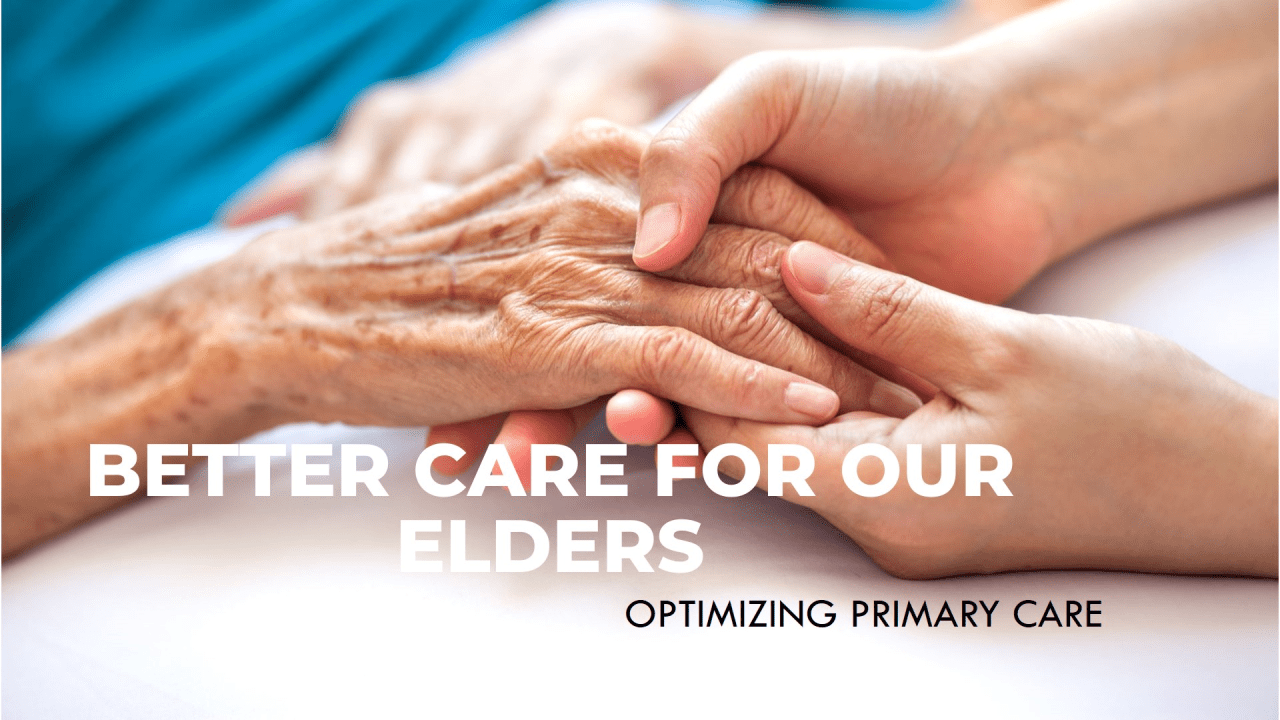
Strengthening Primary Care Services in Retirement Homes to Reduce Unnecessary ER Transfers
Introduction
Retirement homes face significant challenges in providing timely and specialized care for residents, often leading to unnecessary emergency room (ER) transfers. Enhancing on-site primary care expertise is critical to addressing this issue. A potential strategy involves leveraging International Medical Graduates (IMGs) in the process of obtaining their Licentiate of the Medical Council of Canada (LMCC). These IMGs can work under supervising physicians, creating a mutually beneficial learning environment that integrates their specialized expertise with the local knowledge of Canadian healthcare providers.
Proposed Model: IMG-Supervising Physician Collaboration
- Framework:
- Key Roles:
- Expected Outcomes:
Challenges
- Funding Limitations:
- Regulatory Hurdles:
- Acceptance and Integration:
Enablers
- Policy and Advocacy:
- Structured Training Programs:
- Interdisciplinary Collaboration:
- Technology Integration:
Case Example: IMG-Led Chronic Care Management
Program Overview:
- In British Columbia, a pilot program allowed IMGs under supervision to manage chronic conditions and acute exacerbations in retirement homes.
Key Metrics:
- ER transfers decreased by 40%.
- Residents reported improved care continuity and satisfaction.
- IMGs demonstrated significant professional growth and readiness for independent practice.

Summary Table with Take-Home Messages
Conclusion
Leveraging IMGs in the process of obtaining their LMCC provides a pragmatic solution to address primary care gaps in retirement homes. With adequate funding, structured mentorship, and policy support, these healthcare professionals can enhance on-site expertise, reduce ER transfers, and improve overall care quality while gaining valuable Canadian clinical experience.
Key References
- Canadian Institute for Health Information (CIHI) (2021). The Role of IMGs in Canadian Healthcare. Link
- Buske, L. (2018). Addressing Physician Shortages with IMGs: Opportunities and Challenges. Canadian Medical Association Journal, 190(9), E272-E275. Link
- Wong, S. T., et al. (2019). Primary Care Innovations in Senior Care Settings: Lessons from Canada. Healthcare Policy, 15(1), 45-62. Link
- Royal College of Physicians and Surgeons of Canada (2022). IMGs in Geriatric Care: Opportunities for Integration. Link
- Jensen, J., et al. (2020). Supervised Practice Pathways for IMGs: Bridging the Gap. BMC Medical Education, 20(1), 112. Link
- O’Meara, P., et al. (2015). Expanding Roles of Paramedics and IMGs in Aged Care Settings. Australasian Journal of Paramedicine, 12(3), 1-8. Link
- Tavares, W., & Bowles, R. (2021). Leveraging IMG Expertise to Enhance Senior Care. International Journal of Health Policy and Management, 10(4), 183-189. Link
- HealthForceOntario (2020). Pathways to Practice for IMGs: Success Stories and Challenges. Link
- Kane, R. L., et al. (2017). Improving Primary Care in Long-Term Care Settings. Journal of the American Geriatrics Society, 65(2), 287-295. Link
- Canadian Geriatrics Society (2021). Innovations in Geriatric Care Delivery. Link

